Top 5 BNPL Challenges in 2026—and the Fintech Solutions Lenders Are Adopting to Stay Profitable

Key Takeaways:
- BNPL lenders face rising fraud, growing defaults, complex regulations, and checkout friction—all of which weaken credit decisions, inflate losses, slow operations, and erode customer trust as scale increases.
- Without modernized BNPL systems, lenders struggle with fragmented data, manual underwriting, inconsistent compliance, limited repayment flexibility, and declining profitability in a fast-moving market.
- Sigma addresses these challenges with end-to-end BNPL technology, combining AI-driven fraud prevention, predictive credit risk analytics, automated underwriting for compliance, seamless payment integrations, and open banking insights—enabling lenders to operate securely, compliantly, and at scale.
Introduction to Buy Now Pay Later (BNPL)
Buy Now, Pay Later (BNPL) is completely changing how we think about shopping. It’s a simple idea: instead of paying for everything right away, you split your bill into smaller, more manageable chunks. This makes it much easier to afford the things you need without the stress of a huge upfront payment. Because of this, BNPL has exploded in popularity. We’re looking at a global market that’s expected to jump from $120 billion in 2021 to a massive $576 billion by 2025.
People love it because it’s convenient. You can shop online, get your items immediately, and pay over time, often without any interest if you stick to the schedule. By 2027, it’s estimated that over 900 million people worldwide will be using these services. But as the market grows, the hurdles for lenders are getting bigger, too. Between fraud, missed payments, and new rules from regulators, the industry has a lot to navigate to stay profitable and helpful for everyone involved.
Challenge 1: Rising Fraud Risks in BNPL
As more people use Buy Now, Pay Later (BNPL), the “bad actors” have noticed. We are seeing a worrying increase in fraud as criminals try to exploit any gaps in these platforms. They use tactics like identity theft or creating “synthetic” identities, which are basically fake personas made from a mix of real and fake info, to steal from lenders. This doesn’t just hurt the companies; it makes regular shoppers lose trust in the whole system.
To stay safe, BNPL providers need a solid defense. This means looking at real-time data and historical patterns to spot red flags before a transaction even goes through. Using advanced tools, like Sigma’s fraud detection solutions, helps lenders tell the difference between a real customer and a scammer. By being proactive and using smarter monitoring, providers can protect their reputation and keep the service safe for everyone while staying compliant with new laws.
Fintech Solutions for Fraud Prevention

To fight back against these scams, fintech solutions are absolutely essential. The goal is to stop the crooks without making things difficult for real customers. Here are a few ways providers are doing that:
- Intent-Based Decisioning: This looks at how a user behaves during a transaction to see if something feels “off”.
- Adaptive Challenges: If a transaction looks a bit risky, the system can add an extra security step just for that user, rather than slowing everyone down.
- AI and Machine Learning: These tools are constantly learning from new data, helping the system get better at predicting and stopping fraud before it happens.
- Comprehensive Fraud Solutions: Using platforms like LexisNexis® Risk Solutions or Socure allows lenders to watch the entire customer journey, from the moment someone signs up to the final payment.
By using these multi-layered defenses, BNPL companies can keep their assets safe while maintaining the speed and ease that shoppers love.
Challenge 2: Managing Defaults and Credit Risk
Another big headache for lenders is the rise in people missing their payments. As BNPL becomes more common, some users are finding it hard to keep up with what they owe. In fact, one study showed that 49% of BNPL users have missed at least one payment, which puts a lot of pressure on lenders and can lead to legal messes for millions of people.
To handle this credit risk, lenders are turning to predictive analytics. By looking at how people have paid in the past and how they behave now, lenders can spot high-risk borrowers early on. They can then adjust credit limits to make sure they aren’t lending more than someone can realistically pay back. It’s also incredibly helpful to provide financial education so that users understand how to manage their bills properly. When people are better informed, they are much more likely to pay on time, which keeps the business healthy for everyone.
Also, read the blog: Why Flexible Credit Options Are the Future of FinTech: BNPL, Micro-Loans, and Instant Credit
Leveraging Predictive Analytics to Reduce Defaults
Using predictive analytics is no longer optional; it’s a must-have for managing defaults. By digging into data patterns, lenders can basically see a potential missed payment coming before it actually happens. This allows them to offer tailored credit limits that actually fit a person’s financial situation.
With machine learning, these assessments happen in the blink of an eye, allowing for fast approvals that are still safe. Lenders can also keep an eye on a customer’s behavior over time and adjust their credit limit in real-time if things change. When you combine this high-tech approach with better consumer education, you create a much healthier environment for borrowing, which leads to fewer losses and more growth.
Discover how Sigma helped a boutique capital firm deliver real-time portfolio visibility and seamless investor engagement.
Challenge 3: Navigating Regulatory Compliance
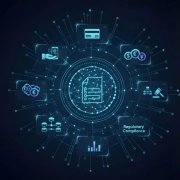
Keeping up with the rules is one of the biggest challenges for BNPL lenders right now. Regulators are taking a much closer look at how these companies operate, especially when it comes to protecting consumers, keeping data private, and being honest about lending terms.
To stay on the right side of the law, many lenders are using automated underwriting solutions. These tools help check for compliance in real-time as they process applications, which greatly reduces the chance of a mistake that could lead to a big fine or a damaged reputation. It’s also vital to be crystal clear with customers about fees and when payments are due. By being transparent and using the right tech, lenders can build trust and grow their business without getting tangled in legal trouble.
Automated Underwriting Solutions
Automated underwriting is a game-changer because it makes lending decisions both faster and more accurate. These systems use AI to crunch massive amounts of data in seconds, so a human doesn’t have to do it manually.
The perks are pretty clear:
- Faster Decisions: Customers get an answer almost instantly, which they love.
- Better Accuracy: AI is great at spotting risks that a person might miss.
- Lower Costs: It’s much cheaper to run an automated system than to have a huge team doing manual checks.
- Easier Compliance: The system is programmed to follow the rules every single time, which keeps the company safe.
By using these tools, BNPL providers can grow quickly while still keeping their risks under control.
Also, read the blog: Real-Time Finance at Super Bowl Scale: How to Process Thousands of Digital Payments per Second
Challenge 4: Integration of Payment Solutions
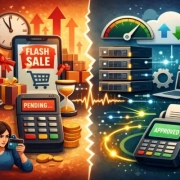
For BNPL to work, it has to be easy to use at the checkout. If the process is clunky, people will just give up. That’s why seamless integration is so important. Lenders need to work closely with Payment Service Providers (PSPs) to make sure their “pay later” option shows up perfectly in whatever system a store is already using.

To keep customers happy, providers should focus on:
- An Omnichannel Experience: The BNPL option should be available everywhere, online, in an app, or even in a physical store.
- Flexible Payment Options: Working with PSPs to offer different types of plans, like skipping a month or paying in four installments, helps meet different needs.
- User-Friendly Interfaces: If the design is simple and intuitive, people are much more likely to complete their purchase.
Sigma’s Payment Integration Solutions
Making payments feel effortless is what Sigma Infosolutions does best. They offer powerful tools that pull together financial, identity, and analytics data so that transactions work perfectly across different platforms.
When you use Sigma’s omnichannel payment solutions, you get:
- Easy API Integrations: It’s simple to connect to popular services like PayPal, Stripe, or Authorize.Net.
- Real-Time Processing: Payments happen instantly, which means fewer people walk away from their shopping carts.
- Custom Plans: You can offer installment plans that are tailored to what your customers actually want.
With over 20 years of experience and $150 billion in loans serviced, Sigma’s tools help BNPL providers simplify their approvals and stay on top of all those tricky regulatory rules.
Conclusion: The Path Forward for BNPL Lenders
The future of Buy Now, Pay Later (BNPL) is all about being able to adapt and innovate. As the market matures, the lenders who succeed will be the ones who proactively tackle fraud, manage their credit risks, and stay ahead of new regulations. By using tools like predictive analytics and automated underwriting, companies can build a system that people really trust.
To stay on top, providers should focus on:
- Better Fraud Prevention: Layering security to stop new types of scams.
- Smart Risk Management: Using data to lend responsibly.
- Simple Compliance: Using automation to follow the rules effortlessly.
- Smooth Integrations: Making sure the checkout experience is great everywhere.
If you prioritize these strategies, you’ll be in a great position to lead the way in this new financial world. As what shoppers expect continues to change, the companies that innovate will be the ones that thrive and grow for years to come.
Frequently Asked Questions:
1. What are the biggest challenges facing BNPL providers in 2026?
BNPL providers face rising fraud risks, higher default rates, stricter regulatory compliance, and complex payment integrations. Addressing these challenges is critical to sustaining growth and profitability.
2. How can BNPL companies reduce fraud in digital lending?
BNPL lenders can reduce fraud by using AI-driven fraud detection, intent-based decisioning, and real-time behavioral analytics. These technologies help identify suspicious activity without disrupting genuine customers.
3. Why are defaults increasing in Buy Now Pay Later services?
Defaults are rising due to relaxed credit checks and users managing multiple BNPL plans simultaneously. Predictive analytics and smarter credit risk models help lenders prevent overextension.
4. How does predictive analytics help manage BNPL credit risk?
Predictive analytics assesses borrower behavior, repayment history, and financial data to forecast default risks. This enables lenders to set responsible credit limits and reduce loan losses.
5. What role does automated underwriting play in BNPL compliance?
Automated underwriting ensures consistent credit decisions while enforcing regulatory rules in real time. It reduces manual errors, improves audit readiness, and speeds up loan approvals.
6. Why is payment integration important for BNPL customer experience?
Seamless payment integration ensures smooth checkout experiences across online and offline channels. Faster, flexible payment options increase conversion rates and customer retention.
7. How does open banking improve BNPL lending decisions?
Open banking provides access to real-time financial data, helping lenders understand borrower affordability. This allows personalized repayment plans that improve repayment rates and consumer financial health.
8. How can digital lending platforms scale BNPL operations profitably?
Cloud-native digital lending platforms enable BNPL providers to scale securely with automation and analytics. They support faster approvals, better risk management, and long-term operational efficiency.